AI workplace law: California bans AI-only firings and bathroom surveillance
California has approved multiple bills that stop employers from relying solely on AI to fire or discipline staff, bar AI surveillance in bathrooms, and force transparency for AI-caused mass layoffs.
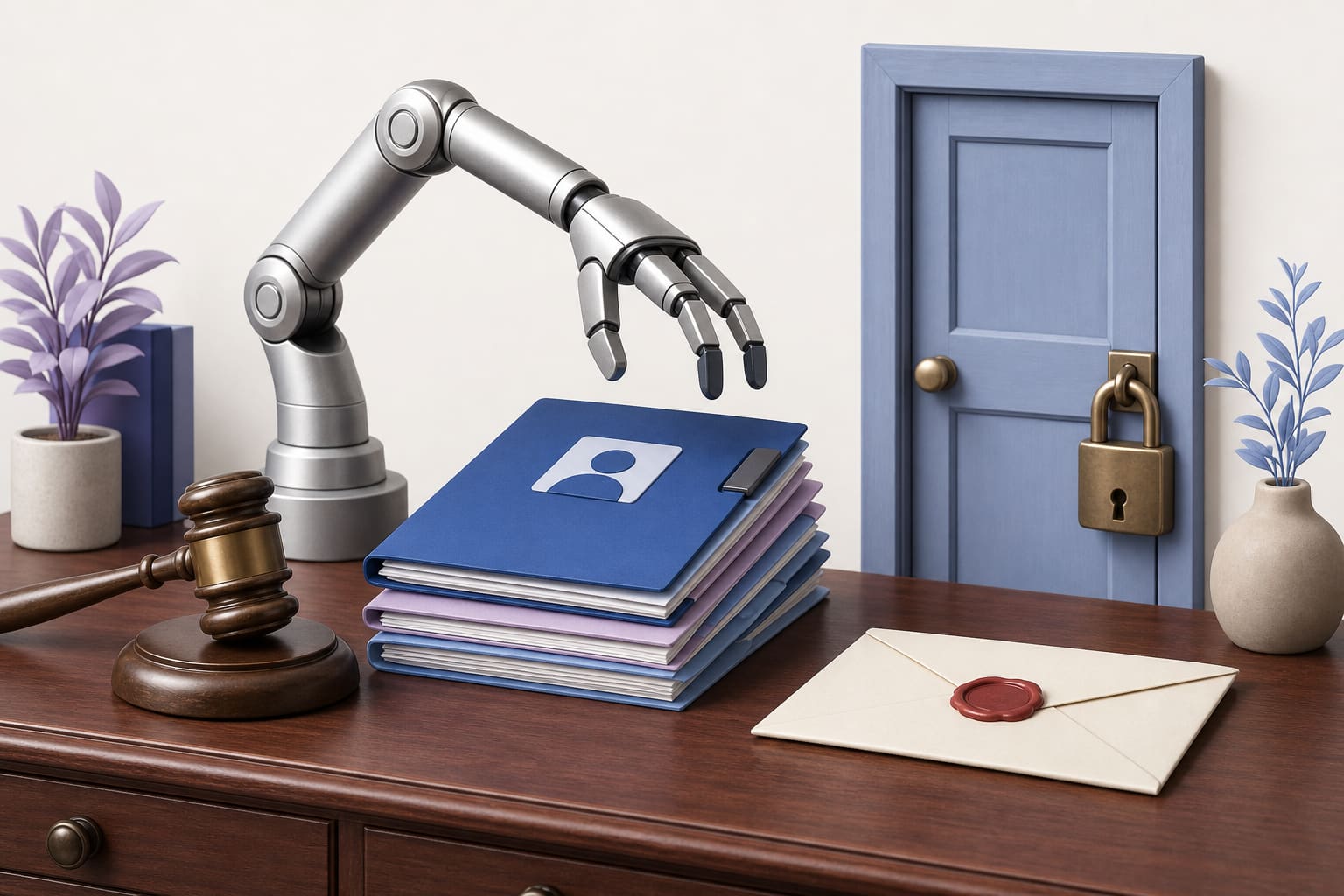
California has passed a set of bills that limit how employers can use AI at work, including a ban on relying only on AI to fire or discipline employees and a prohibition on AI-powered surveillance of workplace bathrooms, according to Engadget. The package also forces transparency when an AI system is responsible for mass layoffs, relocations, or terminations.
What the new AI workplace law does, in plain terms
According to Engadget, the legislation is split across multiple bills and targets a few distinct practices. Employers cannot make disciplinary or termination decisions solely based on an AI system. Companies must disclose when a mass layoff, relocation, or termination was caused by an AI system. The rules also prevent AI-powered monitoring in bathrooms, and they restrict lawyers from "fully handing over core legal work" like drafting briefs to AI tools, Engadget reports. Governor Gavin Newsom signed the bills and issued an executive order directing state agencies to use the phrase "artificial intelligence" instead of "super intelligence," as reported by Engadget.
Engadget links this move to complaints by some Meta employees who said biased tools disproportionately flagged people who took medical leave as candidates for layoffs, and to data from HR Dive that found one in four managers use AI to help decide which employees to cut "often or all the time." The California package does not ban using AI to replace workers in general; instead, it governs specific uses tied to discipline, firing, surveillance, and legal work.
Why this matters for small businesses, nonprofits, and public sector teams
If you run a small business or serve a nonprofit or government team in California, this law changes how you can use AI in personnel decisions and in physical monitoring. Even if you do not operate in California, the move matters because it sets a clear example of workplace rules other states or federal agencies may look to. For teams that already use or plan to adopt AI tools for hiring, performance reviews, or site security, the law narrows acceptable practices and raises the expectation of transparency and human oversight.
The rule against using AI alone for termination or discipline means managers must keep a meaningful human review step. The requirement to disclose when AI drives mass actions adds reporting obligations in those circumstances. And the bathroom surveillance prohibition is a strict limit on where monitoring technology may be used.
How to comply with the AI workplace law (practical steps)
Follow these general actions to align your operations with the new rules:
- Review any AI tools that influence hiring, discipline, termination, or mass workforce changes and document how they are used. Do not let decisions be made solely by an automated system.
- Establish clear human review procedures for any adverse employment action where AI played a role, and keep records showing human involvement.
- Stop any form of AI-powered monitoring in employee bathrooms and audit other physical surveillance uses to ensure they meet legal and ethical expectations.
- Adopt written disclosure practices so your organization can report if an AI system causes a mass layoff, relocation, or termination.
- Revisit contracts with vendors and legal teams to confirm that core legal work will not be fully delegated to AI tools.
- Train managers and HR staff on these changes so they understand when AI can inform a decision and when it cannot replace human judgment.
These steps are general good practice based on the law's stated limits reported by Engadget. They do not replace legal advice. If you have specific questions about compliance, consult counsel familiar with employment and technology law.
What to watch next
Engadget reports that the bills are part of a broader push by California to regulate AI use, and the governor framed the measures as putting people at the center as the technology reshapes work. The reporting also notes political context, including the governor's comments on federal approaches to AI.
For teams outside California, watch for similar proposals in other jurisdictions and for guidance from regulators or courts on how these rules are interpreted in practice. For California employers, expect the need to update policies, vendor agreements, and documentation practices.
If your organization needs technical help implementing compliant systems, or building a web app, plugin, or integration that accounts for human review, transparency, and audit logging, consider contacting us: Need a web app, plugin, or integration built to last?. We can help design solutions that keep human oversight visible and defensible.
According to Engadget, the new laws mark one of the first statewide efforts in the U.S. to give employees specific rights about workplace AI use, and they focus on limiting automated decision making for serious employment actions rather than banning AI outright. As the rules take effect, practical preparation and clear documentation will be the best way for employers to reduce risk and show compliance.
Sources
This post was drafted with AI from the reporting linked above and published by Jones Web Designs. For full details, read the original sources.